SpaceX Dragon Cargo Capsule Undocks from ISS and Begins Journey Back to Earth
- Research
- February 3, 2026
- 9
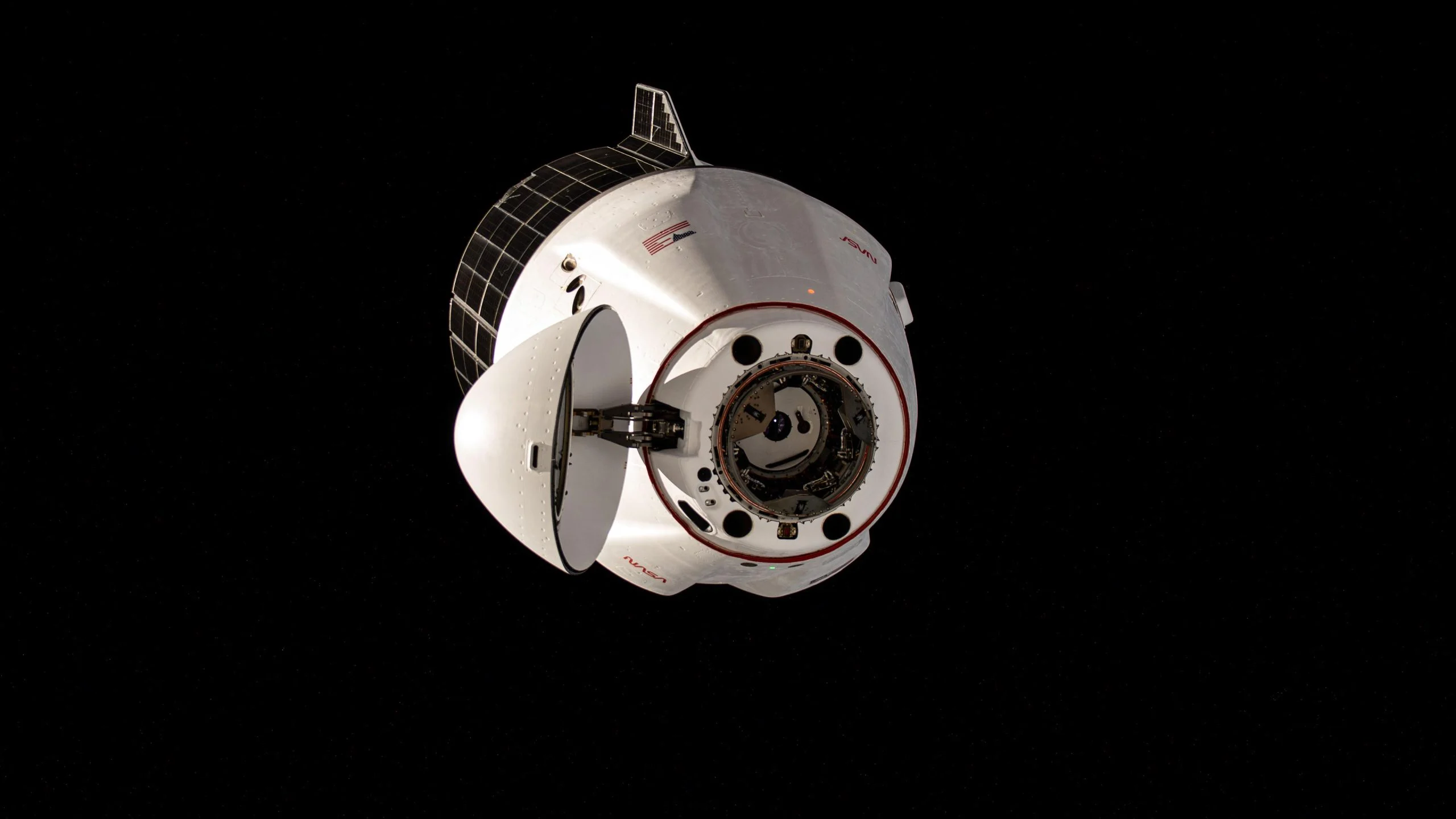
A SpaceX Dragon cargo spacecraft has departed the International Space Station (ISS) and is now on its way back to Earth.
The uncrewed Dragon capsule undocked from the orbiting laboratory on June 16 at 12:25 p.m. EDT (1625 GMT), approximately 20 minutes later than originally scheduled. At the time of separation, the spacecraft and the ISS were traveling about 260 miles (418 kilometers) above the northern Pacific Ocean, according to NASA officials during the live coverage of the undocking.
Dragon is scheduled to return to Earth with a splashdown in the Pacific Ocean off the coast of California on June 17, shortly after 8 a.m. EDT (1200 GMT). Unlike the spacecraft’s launch and departure activities, the splashdown will not be broadcast live.
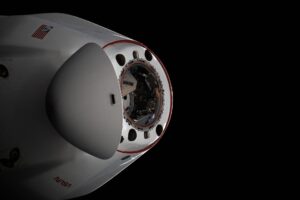
The cargo capsule originally launched aboard a SpaceX Falcon 9 rocket on May 15 as part of the CRS-34 mission, the company’s 34th Commercial Resupply Services flight conducted for NASA.
Two days later, Dragon arrived at the International Space Station carrying nearly 6,500 pounds (2,950 kilograms) of supplies, scientific equipment, and research materials for the astronauts living and working aboard the orbital outpost.
The spacecraft is now returning to Earth with thousands of pounds of cargo, including valuable scientific experiments and hardware. According to NASA, the mission is bringing back research that could contribute to future space exploration efforts as well as advancements in medicine and technology on Earth.
Among the returned experiments are bioprinted organ and cartilage tissues, research aimed at improving cryogenic fuel storage systems for future deep-space missions, and DNA-inspired materials being studied for potential cancer treatments.
The spacecraft is also transporting several pieces of hardware back to Earth for analysis, including an ocular imaging device used to monitor astronauts’ eye health, an absorbent filtration system designed to remove trace contaminants from cabin air, and a separator pump from the station’s waste and hygiene system.
Dragon remains unique among active cargo spacecraft serving the International Space Station because it is capable of surviving reentry through Earth’s atmosphere and returning cargo safely to the ground.
Other cargo vehicles currently supporting the station, including Northrop Grumman’s Cygnus spacecraft, Russia’s Progress spacecraft, and Japan’s HTV-X vehicle, are expendable systems. These spacecraft are intentionally destroyed during atmospheric reentry at the conclusion of their missions.
As a result, Dragon continues to play a critical role in transporting scientific samples, experimental results, and reusable equipment from orbit back to researchers on Earth, enabling further study long after missions aboard the International Space Station have concluded.